Skin problems
Eczema
What characterizes it?
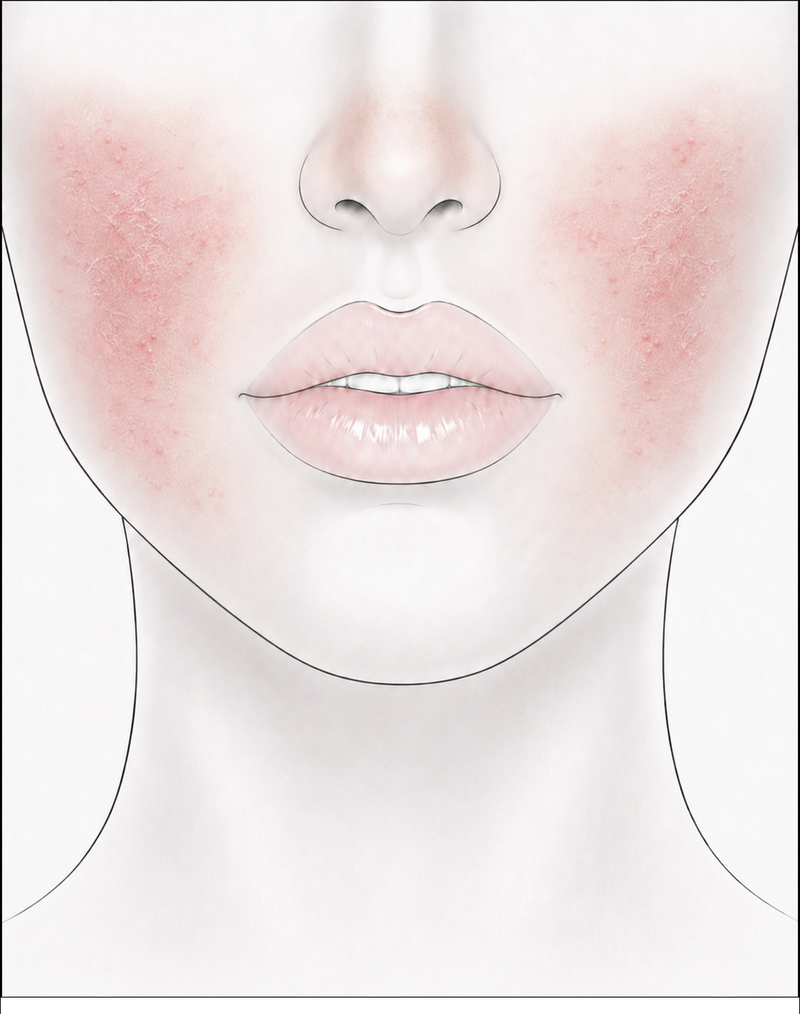
Eczema causes dry, itchy, and often red areas where the skin may crack or flake. The symptoms typically occur in flare-ups and often appear in the same places time and time again.
How do you treat that?
Eczema is a medical skin condition that should be assessed by a healthcare professional. Beyond treatment, skincare is about keeping your routine short, fragrance-free, and moisturizing: barrier care, not active ingredients.
Causes & characteristics
Impaired barrier function
The skin retains less moisture and is more easily penetrated by irritants.
Annoying topics
Soap, perfume, and certain textiles are common triggers.
Dry air and stress
Winter air, heating, and stress often exacerbate the symptoms.
What you should avoid
- Perfumed products and strong soaps.
- Long, hot showers that draw moisture out of the skin.
- Acids, retinol, and scrubs on eczema-affected areas.
Recommended routine
Cleanses gently and fragrance-free
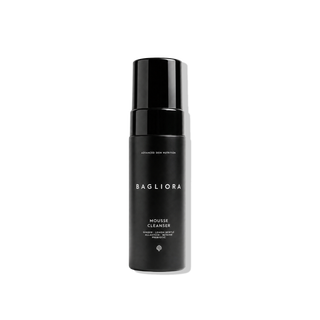
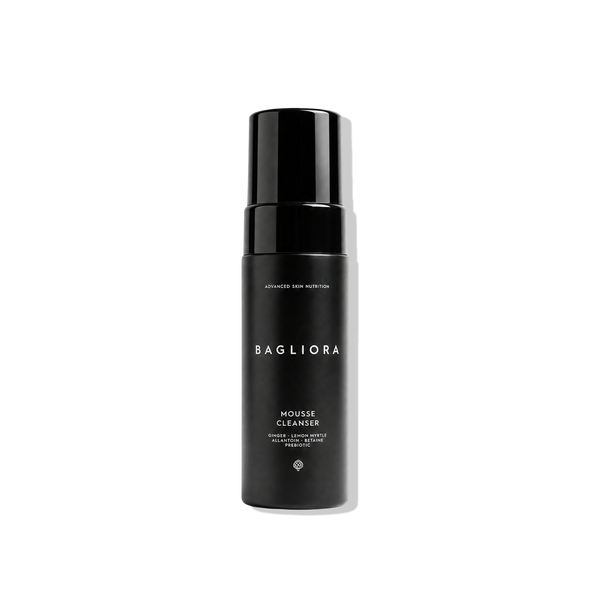
Mousse Cleanser cleanses without harsh surfactants or fragrance, which can otherwise easily trigger a flare-up.
Moisturize immediately after
Apply to slightly damp skin, as this locks in moisture better.
Seal with oil
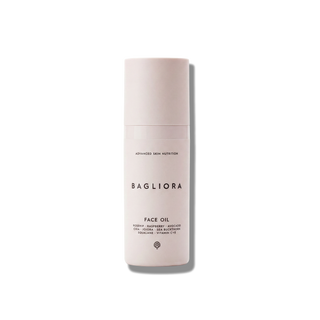
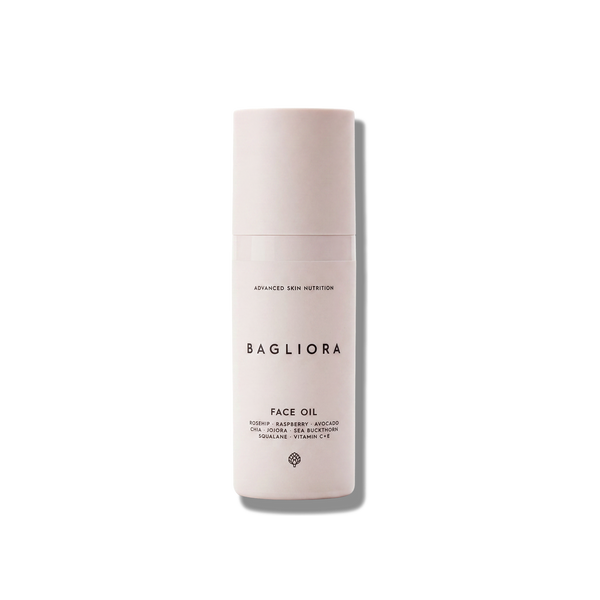
Glow Nutrients Face Oil with squalane and nine superfood oils locks in moisture and reduces transepidermal water loss between flare-ups.
Key Ingredients
Ceramides
Restores the skin's protective barrier and reduces transepidermal water loss.
Hyaluronic acid
Binds moisture in the upper skin layers for a softer feel.
Squalane
Weightless moisturizer that helps the skin retain moisture.
Products for Eczema
-
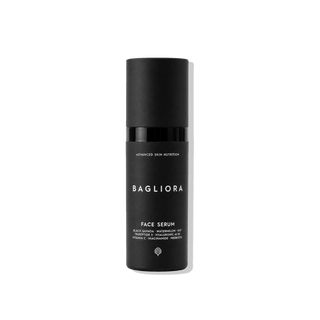
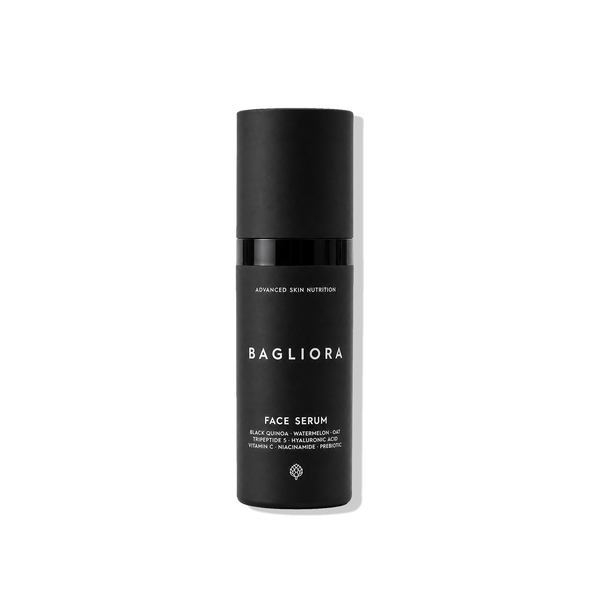
Bagliora Face Serum
Prebiotics and hyaluronic acid that nourish the skin's microbiome and retain moisture.
Frequently asked questions
Can skincare cure eczema?
No. Eczema is a medical condition that should be assessed and treated by healthcare professionals. Skincare can support the barrier in between.
Which products should I avoid?
Perfumed products, strong soaps, and anything exfoliating on the affected areas.
When should I seek medical care?
In the event of itching, cracking or recurring problems, and always before trying over-the-counter treatments.
Does it help to moisturize more often?
Regular moisturizing, especially immediately after showering, is one of the cornerstones of barrier care.